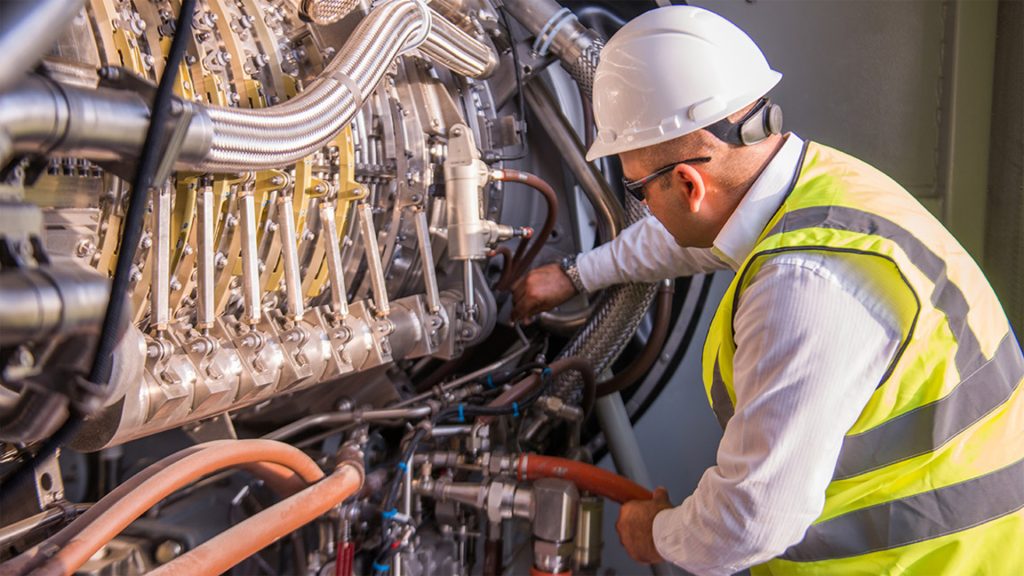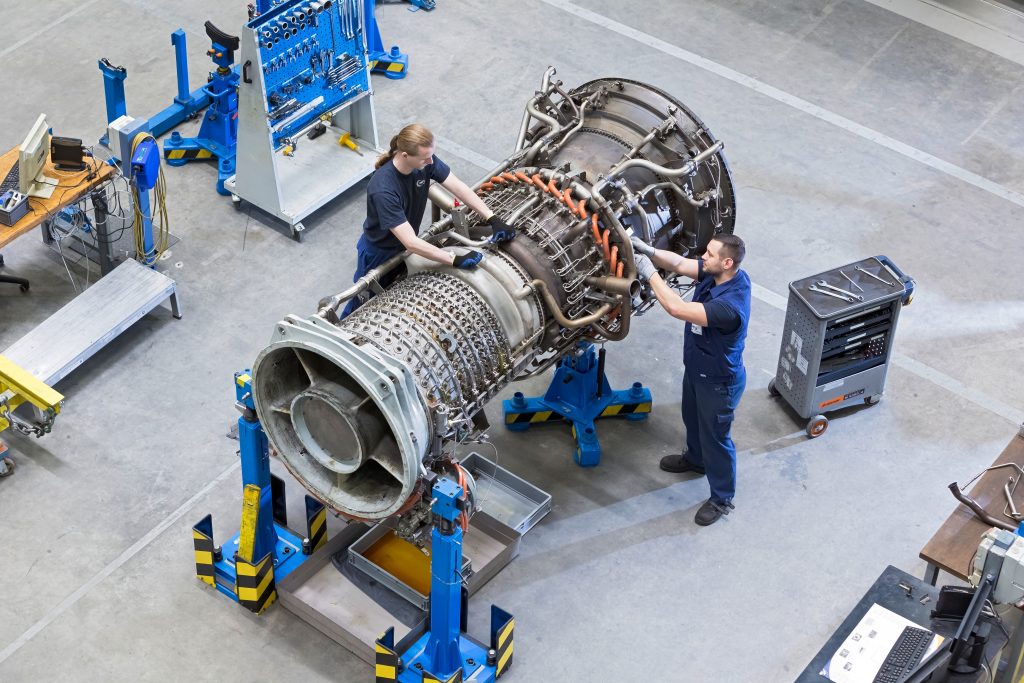
Predictive maintenance stands as a proactive paradigm in equipment upkeep, leveraging real-time data and predictive analytics to preemptively pinpoint potential failures before they manifest. In stark contrast to traditional reactive maintenance, which addresses equipment issues only post-failure, predictive maintenance offers a transformative approach. This method not only curtails downtime but also mitigates increased maintenance costs and preserves productivity levels. By anticipating and foretelling impending equipment failures, proactive measures can be taken, substantially reducing the risk of unexpected breakdowns.
Benefits of predictive maintenance in gas turbines
The advantages of adopting predictive maintenance in gas turbines are multifaceted, encompassing:
Increased equipment uptime:
By anticipating potential failures, predictive maintenance effectively minimizes equipment downtime, resulting in a substantial increase in overall equipment uptime.
Improved maintenance planning:
Armed with crucial data, predictive maintenance empowers maintenance teams to plan and schedule activities with precision, fostering more efficient and effective care of gas turbine systems.
Decreased maintenance costs:
The cost-saving aspect of predictive maintenance is evident as it identifies and addresses potential failures before they escalate into more severe and costly issues, thereby streamlining maintenance expenses.
Increased safety:
Predictive maintenance serves as a proactive safety net by identifying potential hazards within equipment. This early detection enables maintenance teams to address safety concerns before they escalate into serious risks.
Implementing predictive maintenance
The implementation of predictive maintenance in gas turbines unfolds through strategic steps:
Assess your equipment:
Commence with a comprehensive assessment of gas turbine equipment, meticulously identifying critical components and potential failure modes associated with those components.
Implement monitoring and sensing technologies:
Deploy advanced monitoring and sensing technologies, including vibration sensors, infrared cameras, and condition monitoring software. These technologies facilitate real-time data collection, enabling the identification of potential failures.
Develop a predictive maintenance plan:
Based on insights garnered from the assessment and monitoring technologies, craft a predictive maintenance plan. This plan delineates the proactive steps to be taken in response to potential failures.
Continuously monitor and analyze data:
Continuously monitor and analyze data collected through monitoring and sensing technologies. Employ predictive analytics to discern potential failures before they materialize, allowing for timely intervention and prevention. This iterative process ensures a proactive and data-driven approach to gas turbine maintenance.
Methods employed in predictive maintenance
In the realm of predictive maintenance, several techniques play a crucial role in anticipating and preventing equipment failures. These techniques include:
Vibration analysis:
Utilizing sensors, vibration analysis measures the oscillations of equipment. This method proves invaluable in the early detection of potential equipment failures, providing a proactive approach to maintenance.
Thermography:
Employing infrared cameras, thermography gauges the temperature of equipment. By identifying hot spots, this technique aids in recognizing areas that may signify impending equipment failures, allowing timely intervention.
Oil analysis:
The utilization of oil samples is integral to oil analysis, which identifies potential equipment failures by scrutinizing oil for indications of wear and tear. This involves detecting metal particles or abnormal chemical compounds within the oil, offering insights into the health of the machinery.
Condition monitoring:
Leveraging sensors and advanced software, condition monitoring facilitates real-time surveillance of equipment health. This proactive technique empowers maintenance teams to detect and address potential failures before they manifest, optimizing overall equipment reliability.
Bolt tension monitoring:
An additional technique gaining prominence is bolt tension monitoring. This involves the use of sensors and specialized technology to measure the tension in bolts within critical assemblies. By continuously assessing the tension levels, maintenance teams can identify potential issues, such as loosening or over-tightening, ensuring the structural integrity of the connected components. This proactive approach aids in preventing failures related to bolted connections, thereby enhancing the overall reliability and safety of the equipment.
Applications of predictive maintenance in gas turbines
The application of predictive maintenance has yielded tangible results in various real-world scenarios, showcasing its efficacy in enhancing operational efficiency and longevity. Some noteworthy examples include:
Power generation company
In a prominent power generation company, predictive maintenance was seamlessly integrated into their gas turbines. The outcome was a remarkable 75% reduction in unplanned downtime, coupled with a notable 15% increase in overall equipment uptime. This achievement underscores the transformative impact of predictive maintenance in mitigating unforeseen disruptions and optimizing equipment performance.
Manufacturing company
A forward-thinking manufacturing company harnessed predictive maintenance to enhance the reliability of their gas turbine equipment. The implementation led to a significant 30% decrease in maintenance requirements. This result demonstrates how predictive maintenance strategies can be tailored to specific industrial needs, resulting in substantial improvements in equipment reliability and cost-effectiveness.
Bolt tension monitoring
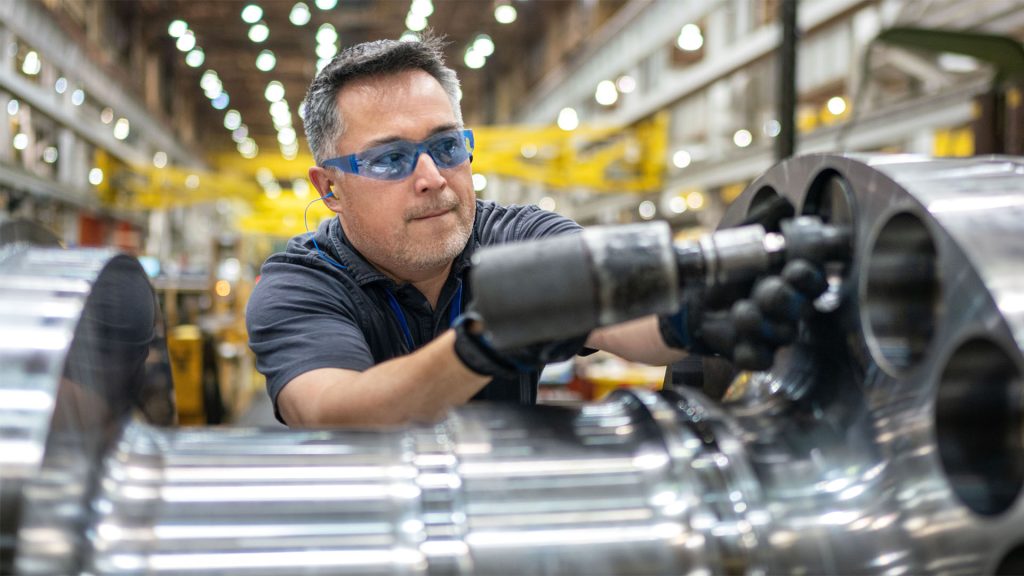
Engineers at GE, based in Greenville, United States, provide a compelling instance of predictive maintenance in action. They oversee the assembly of the 7HA gas turbine (350 MW) utilizing the TRAXX-M2 predictive maintenance tool. During the initial tightening of the turbine, the tension values of each screw and the tightening parameters of the threaded assembly are meticulously recorded and stored. This data becomes an invaluable resource for the maintenance service, enabling them to proactively address potential issues. This real-world example illustrates how predictive maintenance tools, like TRAXX-M2, play a pivotal role in ensuring the reliability and longevity of critical systems.
Predictive maintenance remains pivotal in the continuous upkeep of gas turbines. Whether leveraging predictive analytics, machine learning algorithms, or other advanced technologies, the overarching goal remains consistent: to elevate the efficiency and dependability of these systems while concurrently mitigating the costs and risks associated with maintenance and repairs. Armed with the right tools and expertise, a well-implemented predictive maintenance program becomes instrumental in optimizing gas turbine operations, ensuring they operate at peak performance to meet the evolving energy demands of the future.